Table of Contents (14 sections)
Creating a safe pet zone at home is crucial for the well-being of our furry friends. A well-designated area can protect pets from hazards and provide a comfortable environment. This comprehensive guide explores ten essential features to enhance safety in your pet zone, ensuring a secure space for your loved ones.
1. Secure Fencing
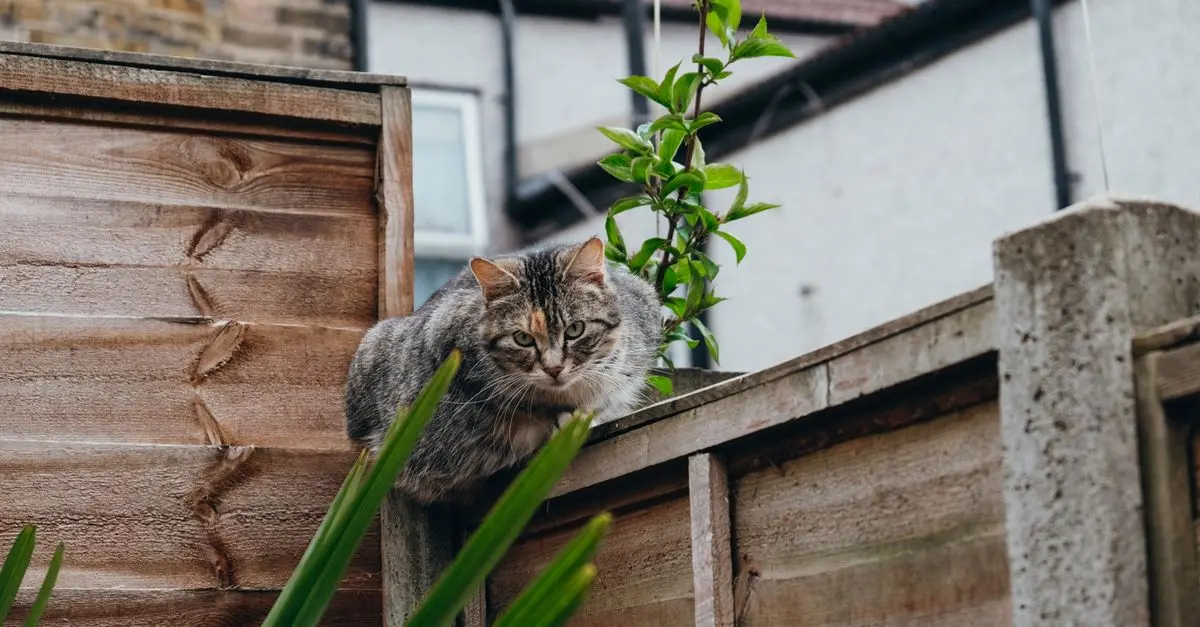
One of the first steps in establishing a safe pet zone is ensuring proper fencing. Whether you have a large backyard or a small patio, installing a sturdy fence can prevent unintentional escapes and keep your pets away from potentially dangerous areas. Opt for a height and material that suits your pet's size and breed. For instance, a fence that stands at least six feet high may deter energetic jumpers. Regularly inspect the fencing for any gaps or weak spots, ensuring your pets remain contained and safe.
2. Non-toxic Plants
The choice of plants is vital in a safe pet zone. Many common plants are toxic to pets, leading to serious health issues if ingested. For example, lilies, azaleas, and oleander can be harmful. Instead, consider non-toxic alternatives such as marigolds, bamboo, and spider plants. Creating a pet-friendly garden requires research on plant species, but it pays off with a vibrant, safe environment. Always consult a veterinarian or a reliable source when in doubt about plant safety for pets.

Pawhut - Dog Stroller, Pet Stroller 3 Wheels with Easy One-Hand Fold, Rubber Wheels, Storage Bag, Soft Cushion, Safety Leash
bestbuy.com


OU - Glass Food Storage Container Set 36pc with Microwave Valve (set of 18) Microwave & Freezer Safe
bestbuy.com
3. Designated Play Area
A well-defined play area helps in keeping your pets safe while they enjoy outdoor activities. This space should be free of sharp objects or hazardous materials. Consider installing soft turf or rubber mats that offer cushioning for your pets, reducing the likelihood of injury during play. This area can be equipped with toys to stimulate physical and mental engagement, ensuring your pets are entertained and happy.
4. Safety Gates
If you live in a multilevel house or have rooms not suitable for pets, investing in safety gates is wise. These gates help restrict access to areas that may pose dangers, such as staircases or kitchens. Choose sturdy gates that are easy to install and can withstand the tests of curiosity and playfulness. Many gates are adjustable, allowing for flexibility in preventing your pets from wandering into unsafe zones.
5. Proper Storage of Hazardous Items
A safe pet zone extends to the surroundings within your home. Properly store cleaning agents, medications, and other hazardous materials in locked cabinets or high shelves that are out of your pet's reach. According to the ASPCA, over 230,000 pets are exposed to toxic substances each year. Adopting safe storage habits significantly reduces the risk of accidental ingestion or exposure to dangerous chemicals.
6. Safe Water and Food Bowls
Select pet bowls made from non-tip materials to avoid spills and keep your pet secure during feeding times. Additionally, consider elevated bowls for larger pets, minimizing strain while eating or drinking. Regularly clean the bowls to prevent bacteria buildup. A simple guideline is to wash pet bowls daily to maintain hygiene, ensuring your pets receive fresh food and clean water.

OU - Glass Food Storage Container Set, Airtight Lid w Microwave Valve 8pc (set of 4) Microwave Safe
bestbuy.com

OU - Glass Food Storage Container Set 12pc (set of 6) Airtight Lid w Microwave Valve, Microwave Safe
bestbuy.com
7. Comfortable Shelter
A safe pet zone must also have a comfortable shelter, whether it’s a cozy dog house or a shaded area in your garden. The shelter should be insulated and weather-resistant, providing protection from the elements. Moreover, adding comfortable bedding helps to create a welcoming space. Make sure that the shelter is spacious enough for your pet to move around comfortably, enhancing their overall well-being.
8. Routine Maintenance
Regular maintenance is essential for the longevity and safety of your pet zone. Inspect fences, gates, and enclosures frequently for damage. Check play areas for debris or hazards that could injure your pets. A written checklist can assist in keeping track of necessary tasks, ensuring your pet zone remains a secure and safe environment.
9. Identification and Microchipping
In case an accident occurs and your pet escapes, having proper identification is critical. Ensure your pets wear collars with identification tags that include your contact information. Additionally, consider microchipping your pets for permanent identification, making it easier to reunite lost pets with their owners. According to the American Veterinary Medical Association, microchipped pets are 20 times more likely to be reunited with their owners compared to unchipped pets.
10. Socializing and Training
Last but not least, socialization and training play a significant role in creating a safe pet zone. Encourage your pets to interact with other pets and people in a controlled environment. Comprehensive training ensures that they understand boundaries and commands, particularly in potentially hazardous situations. Regular training also helps pets develop good behaviors, leading to a happier and safer experience within their designated zone.
📺 For further exploration:
To see examples and get more tips on creating a safe pet zone, check out this video on YouTube: "Designing a Safe Pet Environment".
Checklist Before Setting Up Your Pet Zone
- [ ] Install secure fencing.
- [ ] Choose non-toxic plants.
- [ ] Designate a specific play area.
- [ ] Use safety gates to restrict access.
- [ ] Store hazardous items safely.
- [ ] Select the right food and water bowls.
- [ ] Provide comfortable shelter.
- [ ] Maintain routine checks.
- [ ] Microchip your pets.
- [ ] Invest in socialization and training.
Glossary
| Term | Definition |
|---|---|
| Pet Zone | A designated area for pets that ensures their safety and comfort. |
| Non-toxic Plants | Plants that do not pose a risk of poisoning when ingested by animals. |
| Microchipping | A permanent identification method where a chip is implanted under the pet's skin. |
---
📺 Pour aller plus loin : designing a safe pet environment sur YouTube
Recommended products
Selected by our experts


Safety 1st Mercury Strollerette Compact Stroller - Mercury - Size: One Size
kohls.com