Table of Contents (15 sections)
Creating a safe pet zone is crucial for every pet owner. Not only does it enhance your pet's comfort, but it also minimizes risks and promotes well-being. This article will delve into ten essential tips that will help you design a safe and engaging environment for your pets.
1. Understand Your Pet’s Needs
Assessing Your Pet's Behavior and Environment
Every pet is unique in terms of size, breed, and personality traits. It’s essential to consider these specific needs when designing your pet zone. For instance, larger breeds may require more spacious areas compared to smaller ones. Research shows that dogs, on average, need around 30 minutes of exercise twice a day. Thus, designing your pet area in a way that allows for both activity and rest is vital.
2. Barrier Installation
Create Safe Enclosures and Boundaries
Enclosures help keep your pet safe from various dangers, including traffic or other animals. Fencing is one of the most effective barriers. A 6-foot-high fence works well for most dogs, preventing them from jumping over. For smaller pets, mesh fences provide a great visual barrier while ensuring their safety. Ensure any gates have sturdy locks that cannot be easily manipulated by your pets. According to a survey by the ASPCA, 40% of pet escapes are due to improperly secured fences.
3. Choosing Safe Materials
Selecting Non-Toxic Options
When creating your pet zone, it’s crucial to choose non-toxic materials. From flooring to paint, ensure that all materials used are pet-safe. For example, consider using vinyl flooring, which is easier to clean and doesn't harbor bacteria. Paints with low VOC emissions are ideal to keep your pets from inhaling harmful toxins. In 2024, reports indicated that over 25% of pets suffered from illness due to exposure to toxic materials.
Smart Shopping Spot Adjustable Tablet Car Mount Holder, Cup Holder Base For Tablets In Car With Heavy Duty Design Adjustable Tablet Car Mount Holder,
inspireuplift.com


4. Lighting Considerations
Effective Use of Lighting in Your Pet Zone
Proper lighting can improve visibility and ensure safety. Consider natural light sources during the day, which helps your pets feel more comfortable. At night, install motion-activated lights to deter unwanted creatures and ensure your pets can navigate their space safely. Moreover, a well-lit area can reduce anxiety in pets that are naturally more timid.
5. Create a Designated Play Area
Establish Separate Zones for Fun
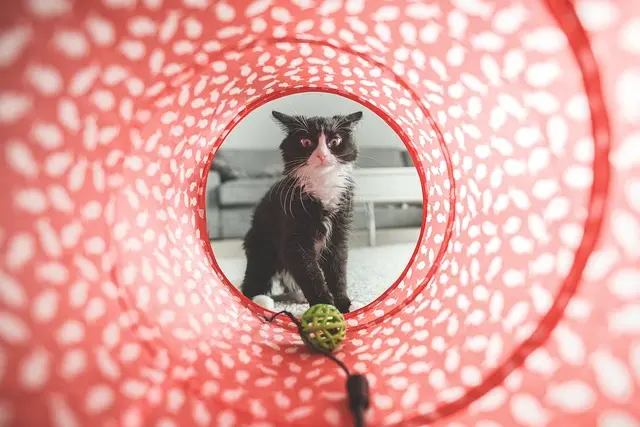
Designating a specific area for play can help with boundaries and organization. Use pet toys and activity structures like tunnels or climbing frames that cater to your pet's instincts. For example, cats enjoy vertical play spaces, while dogs might prefer fetch-oriented sections. Statistics indicate that pets that have dedicated play zones show 30% more engagement with their environment, resulting in reduced anxiety behaviors.
6. Incorporate Safe Plants
Pet-Safe Flora
If you're considering adding plants to your pet zone, make sure to choose species that are non-toxic to pets. Popular options include spider plants, Boston ferns, and bamboo palms. Avoid common toxic plants like lilies or sago palms, as they may lead to severe health complications. According to the ASPCA, ingestion of toxic plants contributes to around 2% of pet health issues.
7. Temperature Control
Maintaining a Comfortable Environment
Ensure that your pet zone is equipped for all seasons. In the summer, consider installing fans or air conditioning to prevent overheating. In winter, ensure adequate heating to keep your pets warm. Keeping a steady temperature contributes to overall well-being, helping your pets feel secure and safe in their environment. For optimal comfort, maintain a temperature of around 68°F to 72°F.
8. Cleanliness and Hygiene
Regular Upkeep for Safety
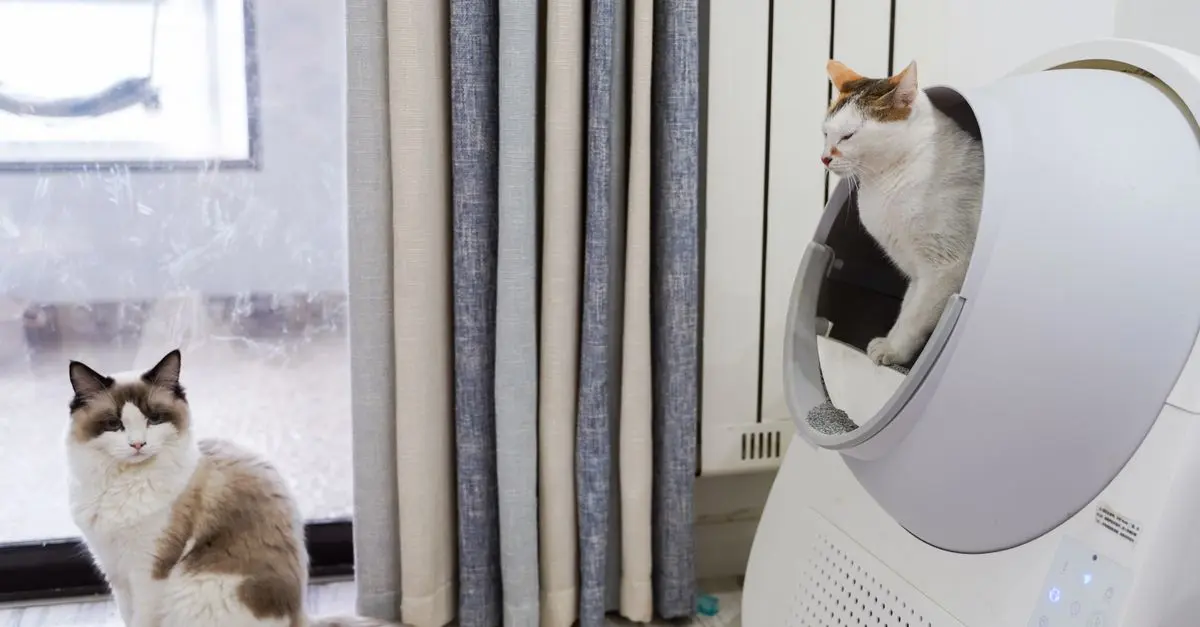
A clean environment reduces the risk of pests and diseases. Establish a regular cleaning schedule focusing on areas where your pets dwell. Vacuum frequently to minimize hair and allergens. Also, implement waste management solutions, such as designing a specific area for litter boxes or outdoor waste disposal to promote hygiene effectively. According to the CDC, nearly 50% of pet-related infections arise from unsanitary environments.
9. Monitor Interactions
Supervising Pets During Play Time
Always supervise interactions between pets and children or other animals. This helps to prevent accidents or aggressive behavior that may arise during play. Training your pet to understand boundaries while engaging with other beings is essential for a harmonious environment. According to experts, supervised play reduces incidents of aggressive behavior by up to 75%.
10. Regular Maintenance Checks
Ensuring Everything Functions Well
Finally, conduct regular checks of the space for hazards or wear and tear. Inspect enclosures, fences, and play structures frequently to ensure they remain safe and in good condition. Fix any maintenance issues promptly to avoid accidents. Adopting a routine check can reduce injuries and promote a long-lasting safe environment.
Conclusion
Creating a safe pet zone involves various considerations from understanding your pet's needs to ensuring cleanliness and safety in the area. By following these ten essential tips, you can ensure that your pet zone is a safe haven for your beloved companions.
Checklist before Designing Your Safe Pet Zone
- [ ] Understand your pet’s behavioral needs
- [ ] Install secure barriers
- [ ] Choose non-toxic materials
- [ ] Ensure proper lighting
- [ ] Designate a play area
- [ ] Include pet-safe plants
- [ ] Maintain comfortable temperatures
- [ ] Establish cleanliness routines
- [ ] Supervise interactions
- [ ] Conduct regular maintenance checks.
Glossary
| Terme | Définition |
|---|---|
| Pet Zone | Designated area for pets, ensuring their safety and comfort. |
| Non-Toxic Materials | Materials that do not harm pets if ingested or inhaled. |
| Barrier | A structure or device that keeps pets within a safe boundary. |
---
📺 Pour aller plus loin : how to create a safe pet zone 2026 sur YouTube
Recommended products
Selected by our experts