Table of Contents (13 sections)
Ensuring a secure environment for your pets at home is crucial to their well-being. A safe pet zone not only protects your furry friends from potential hazards but also enriches their living experience. In this article, we will explore 10 essential features that every pet owner should consider when designing a safe pet zone at home.
1. Secure Fencing
One of the first steps to creating a safe pet zone is installing secure fencing. A properly erected fence prevents your pets from escaping and protects them from dangers such as traffic or other aggressive animals. According to a survey by the American Society for the Prevention of Cruelty to Animals (ASPCA), more than 50% of lost pets are due to inadequate fencing. It’s essential to evaluate the height and material of your fence. Opt for materials that are challenging for your pet to chew through or climb over. For instance, chain link or wood fences should be at least six feet tall for larger breeds. Regularly inspecting your fence for weaknesses or breaches is also key to maintaining a safe environment.
2. Non-Toxic Landscaping
When designing your pet zone, consider the plants and landscaping materials you use. Many common plants, such as azaleas and oleanders, are toxic to pets. According to the Pet Poison Helpline, about 10% of all calls relate to household plants. Instead, choose non-toxic options such as pet-safe grasses and flowers that can enhance your garden without posing a risk. Furthermore, avoiding pesticides and fertilizers that contain harmful chemicals will help prevent any negative reactions in your pets. Creating an engaging garden with safe elements will allow your pets to explore and enjoy nature without health worries.

Pawhut - Dog Stroller, Pet Stroller 3 Wheels with Easy One-Hand Fold, Rubber Wheels, Storage Bag, Soft Cushion, Safety Leash
bestbuy.com


OU - Glass Food Storage Container Set 36pc with Microwave Valve (set of 18) Microwave & Freezer Safe
bestbuy.com
3. Safe Outdoor Play Areas
Creating designated play areas in your yard can significantly contribute to your pet's safety. Using soft grass or rubber mats can reduce the risk of injuries during playtime. Additionally, consider implementing shade structures to protect your pets from overheating, especially during summer months. Adequately spaced toys can also stimulate your pet's mind while ensuring they have a secure area to play.
4. Pet Gates
Pet gates are an excellent addition to any home with pets. They provide a physical barrier that can restrict access to certain areas, such as stairs or high-risk rooms (like kitchens or bathrooms). They are especially useful for households with young children or multiple pets. When choosing a pet gate, look for features such as adjustable widths and safety latches to ensure optimal security. Moreover, making sure the gate is tall enough can prevent larger breeds from jumping over.
5. Safe Furniture and Decor
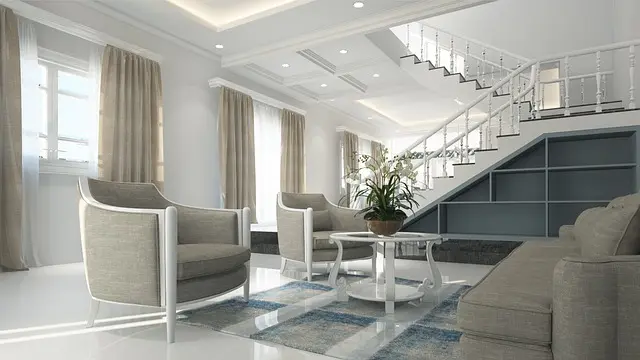
Reviewing the furniture in your pet zone is vital. Make sure that items such as indoor plants, which may be tempting for pets to chew on, are placed out of reach. Consider using furniture made from materials that are easy to clean and resistant to scratches or stains. Additionally, securing heavy or fragile items will help avoid accidents caused by playful pets knocking them over. Pet-friendly decor can enhance both the beauty of your space and the safety of your pets.
6. Designated Feeding Areas
Establishing a specific feeding area minimizes mess and prevents food-related conflicts between pets. Use non-slip bowls to prevent spills, and consider a raised feeder for larger breeds to promote better digestion. Keep this area separate from play zones to ensure that pets can eat without distractions or competition. Regularly check and clean the feeding area to prevent mold or pests, ensuring a healthy dining experience for your pets.

OU - Glass Food Storage Container Set, Airtight Lid w Microwave Valve 8pc (set of 4) Microwave Safe
bestbuy.com

OU - Glass Food Storage Container Set 12pc (set of 6) Airtight Lid w Microwave Valve, Microwave Safe
bestbuy.com
7. Pet-Friendly Flooring
When selecting flooring for your pet zone, durability is key. Durable options like tile, laminate, or sealed hardwood can withstand claws and accidental spills more effectively than softer materials like carpet. Additionally, incorporating rugs in certain areas can provide comfort while being easy to wash. If you have elderly pets, consider adding non-slip mats to prevent falls, especially in areas that may become wet, such as near water bowls.
8. Clutter-Free Spaces
A cluttered environment can pose a safety hazard for pets. Keeping toys, cleaning supplies, and hazardous materials away from your pet's reach ensures their safety. Regularly organizing your pet zone will help eliminate potential dangers, such as choking hazards or toxic substances. Creating a designated storage area for pet supplies will also make it easier to keep spaces organized and safe.
9. Routine Safety Checks
Regular safety checks of your pet zone can prevent accidents and keep your pets secure. Assess everything from fencing to toys, ensuring they remain in good condition. Look for wear and tear, and replace any damaged items immediately. Keeping up with routine checks can also prevent potential health issues caused by broken equipment or harmful objects left in reach of your pets.
10. Monitoring Systems
Investing in technology can enhance the safety of your pet zone. Surveillance systems allow pet owners to monitor their pets while they are outdoors, giving peace of mind even when you are not home. Additionally, some systems offer pet door sensors that can alert you if your pet leaves the yard unexpectedly. These monitoring systems not only provide immediate information but can help identify issues before they escalate.
Checklist for Creating a Safe Pet Zone
- [ ] Secure all fencing and gates thoroughly.
- [ ] Select non-toxic plants for landscaping.
- [ ] Create safe outdoor play areas with cushioned surfaces.
- [ ] Install pet gates where needed.
- [ ] Choose pet-friendly furniture and decor.
- [ ] Designate feeding areas with non-slip bowls.
- [ ] Opt for durable, safe flooring solutions.
- [ ] Keep spaces clutter-free and organized.
- [ ] Perform routine safety checks regularly.
- [ ] Consider installing monitoring systems for added security.
Glossary
| Terme | Définition |
|---|---|
| Fencing | A barrier enclosing a space to ensure safety and security for pets. |
| Non-toxic | Substances that are safe for pets and do not cause harm if ingested. |
| Pet gates | Physical barriers used to limit pets' access to certain areas of the home. |
> 📺 For further insights: How to Create a Safe Pet Space at Home, a detailed video guide available on YouTube. Search for:
creating a safe pet zone 2026.
🧠 Quick Quiz: What is the most common reason for lost pets?
- A) Poor training
- B) Inadequate fencing
- C) Lack of toys
Answer: B — A large number of lost pets occurs due to inadequate or insecurely constructed fences.
Protecting your pets is not only about keeping them safe; it’s about enhancing their lives while you create a welcoming and secure environment. By implementing these essential features into your pet zone, you are investing in the well-being of your beloved companions.
📺 Pour aller plus loin : creating a safe pet zone 2026 sur YouTube
Recommended products
Selected by our experts


Safety 1st Mercury Strollerette Compact Stroller - Mercury - Size: One Size
kohls.com