Table of Contents (15 sections)
Designing a pet zone requires more than just aesthetics; it is crucial to prioritize comfort and safety for your pets. A well-planned space not only enhances the quality of life for your furry friends but also provides peace of mind for pet owners. As more households embrace pet ownership, understanding what constitutes an ideal pet zone becomes ever more important. Notably, 93% of pet owners agree that a well-designed area positively impacts their pets' happiness (Source: UFC-Que Choisir). Let's dive into the must-have features that can help you create the ultimate pet-friendly environment.
1. Safe Flooring Options
When designing a pet zone, the choice of flooring cannot be underestimated. Opt for surfaces that are non-slip and easy to clean. Materials like tile, vinyl, or hardwood with a protective finish are excellent choices. Avoid carpets as they can trap dirt and allergens. According to 60 Millions de Consommateurs, the right flooring can prevent slips and falls, reducing injury risk by up to 30% in pets, especially older ones.
2. Ergonomic Furniture
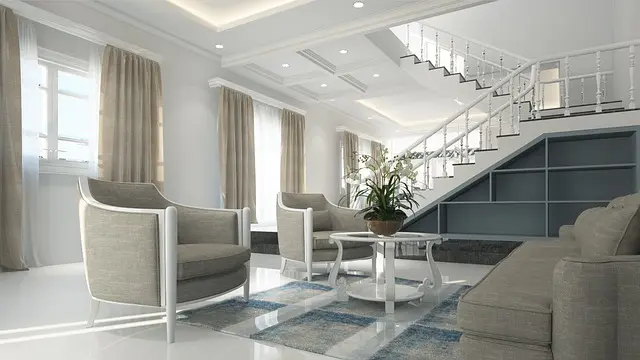
Furniture designed with pets in mind is crucial. Look for pet-friendly sofas and chairs that are easy to clean and resistant to scratches. Elevated feeding stations can also promote better posture during meals, particularly for large breeds. Incorporating soft cushions or pet-friendly throws can increase comfort while ensuring durability against wear and tear.


Smart Shopping Spot Adjustable Tablet Car Mount Holder, Cup Holder Base For Tablets In Car With Heavy Duty Design Adjustable Tablet Car Mount Holder,
inspireuplift.com
3. Dedicated Play Area
Every pet needs a designated space to play and exercise. Ensure the play area features interactive toys and stimulation tools like scratching posts for cats or agility equipment for dogs. Having a separate zone allows for structured playtime, encouraging both physical and mental activities. A survey from the American Pet Products Association shows that pets with sufficient play areas exhibit reduced anxiety and behavioral issues.
4. Comfort Zones for Rest
Creating a comfortable resting area is essential. Consider including dedicated sleeping spots with quality bedding to encourage rest. Use pet beds with orthopedic support for older animals. Additionally, ensure these areas are quiet and away from household activity to promote peace and relaxation.
5. Pet Gates and Barriers
To manage your pets effectively, implementing pet gates or barriers can help establish boundaries. This is especially useful for multi-pet households. Adjustable gates can restrict areas while still allowing for accessibility. Strategically placed barriers can also protect delicate items or sections of your home.
6. Natural Light and Ventilation
Natural light and proper ventilation are key to a healthy pet environment. Large windows or skylights can brighten the space and provide a connection to the outside world. Good air circulation minimizes odors and is essential for maintaining indoor air quality, according to the Environmental Protection Agency.


7. Outdoor Accessibility
If possible, design your pet zone to include direct access to the outdoors. Fenced-in gardens or patios allow for safe outdoor play while providing pets with fresh air and sunlight. According to AVMA, pets with outdoor time tend to be less anxious and exhibit healthier behaviors.
8. Storage Solutions
Smart storage solutions are vital for maintaining an organized pet area. Include bins for toys, leashes, and grooming tools to keep everything tidy. Consider built-in cabinets or shelves for easy access to supplies without cluttering the area. Disorganization can lead to accidents and increase stress in both pets and owners.
🧠 Quick Quiz:
> What should you prioritize when designing a pet zone?
> - A) Aesthetics
> - B) Safety and Comfort
> - C) Size
> Answer: B — Prioritizing safety and comfort enhances the well-being of your pets.
9. Climate Control Systems
Ensure your pet zone is equipped with proper climate control, such as heating or cooling systems, to maintain a comfortable temperature year-round. Extreme temperatures can harm pets, especially older or specific breeds. According to data from ASPCA, maintaining an ideal climate can reduce stress-related behaviors by nearly 25%.
10. High-Quality Monitoring Systems
Finally, consider integrating a pet monitoring system. These high-tech solutions allow you to keep an eye on your pets when you're not home. Many modern systems offer features like motion detection, night vision, and even two-way communication. This gives pet owners peace of mind, knowing they can interact with their pets remotely.
Checklist for Your Pet Zone Design
- [ ] Choose non-slip flooring
- [ ] Select ergonomic furniture
- [ ] Designate a play area
- [ ] Create comfortable rest zones
- [ ] Install pet gates or barriers
- [ ] Maximize natural light
- [ ] Ensure outdoor access
- [ ] Implement smart storage solutions
- [ ] Control climate settings
- [ ] Consider monitoring systems
📺 For Further Learning:
[Creating the Perfect Pet Zone: A How-To Guide], an in-depth review of effective pet zone designs. Search on YouTube: pet zone design ideas 2026.
Glossary
| Term | Definition |
|---|---|
| Ergonomic furniture | Furniture designed to provide comfort and support to prevent strain on the body. |
| Climate control | Systems that regulate temperature and ventilation to ensure a comfortable environment. |
| Interactive toys | Toys designed to engage pets physically and mentally, often encouraging active play. |
---
📺 Pour aller plus loin : pet zone design ideas 2026 sur YouTube
Recommended products
Selected by our experts