Table of Contents (11 sections)
Creating a dedicated pet zone in your home can transform the dynamic of your living space, ensuring a comfortable, safe, and stimulating environment for your pets. This comprehensive guide outlines essential tips and strategies to design the best pet zone tailored to your furry friends' needs.
1. Understanding the Importance of a Pet Zone
Establishing a designated area for your pets is crucial for several reasons. It not only helps in managing their activities but also ensures their safety. A well-defined pet zone can reduce stress for both pets and owners. Pets thrive in an organized environment where they know their spaces for sleeping, eating, and playing. According to research from the American Pet Products Association (APPA), nearly 67% of U.S. households own a pet, showcasing the significance of creating pet-friendly spaces in homes. Furthermore, it helps minimize damage to furniture and keeps all pet-related items in one place, making routine cleaning easier.
2. Choosing the Right Location
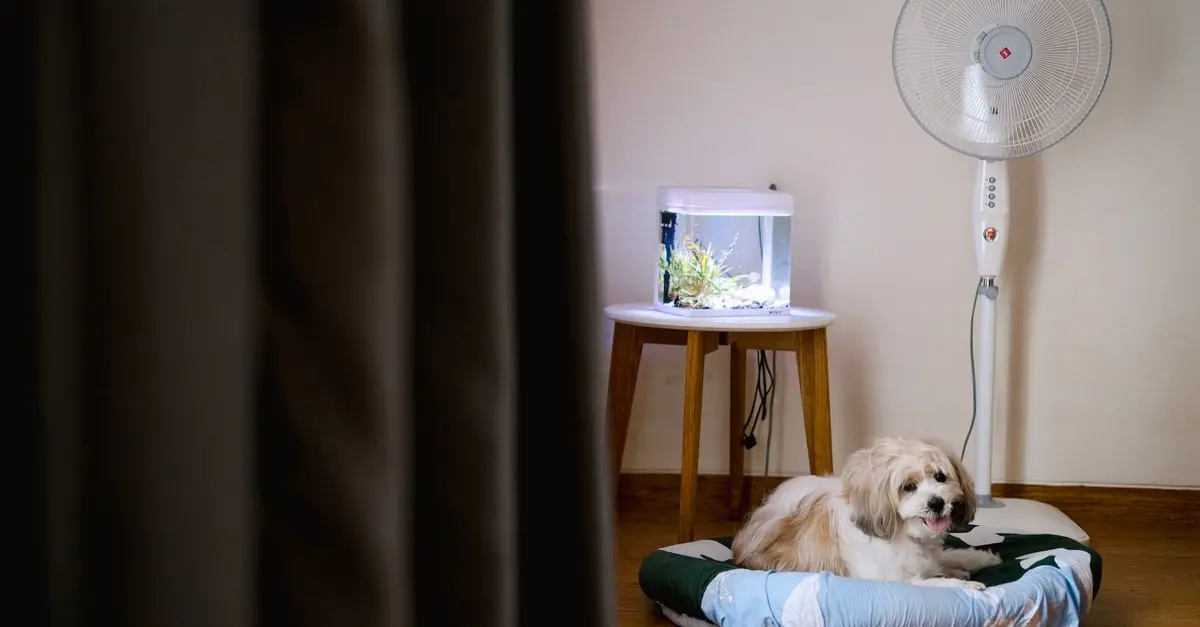
To design the best pet zone, start by evaluating your home and selecting an appropriate location. Look for high-traffic areas to facilitate interaction while keeping them away from household hazards. For small pets, consider quiet corners or cozy alcoves where they feel secure. For dogs, a space near the living room where they can observe family activities is ideal. While selecting the location, ensure it has enough room for essentials like beds, toys, and food stations. Additionally, avoid spaces near noisy appliances or heavy foot traffic, which can stress your pets.
3. Investing in Quality Essentials
Once you've chosen the location, it's time to invest in essentials that cater to your pet’s needs. This includes beds, feeding stations, toys, and litter boxes or piddle pads for indoor pets. Pet beds should be comfortable and appropriately sized for your pets. For example, PetFusion offers memory foam beds that provide excellent support. Feeding stations should have appropriate bowls that are sturdy; consider stainless steel options to avoid breakage. Nowadays, interactive toys can keep pets mentally stimulated when you're away. Brands such as KONG and Outward Hound offer a range of toys that challenge and engage pets. Remember to regularly clean these items to maintain hygiene.
4. Creating a Safe Environment
Safety is paramount when designing a pet zone. Ensure it is a place where pets can play and relax without risks. Store hazardous substances like cleaning agents, sharp objects, and valuable items out of reach. Depending on your pet’s nature, consider investing in child-proof gates or barriers to control access to certain areas of the house. A well-fenced outdoor area is also essential for outdoor pets, ensuring they are contained and protected while enjoying fresh air. Check for potential escape routes and reinforce them accordingly.
5. Incorporating Enrichment Activities
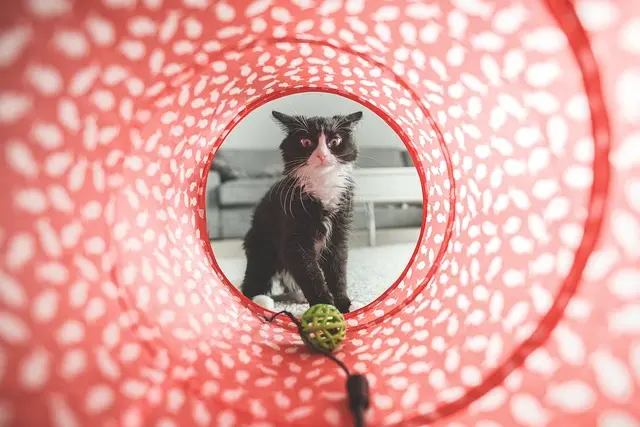
To design the best pet zone, you must incorporate enrichment activities that keep your pets active and stimulated. Interactive feeding devices and puzzle toys can make mealtime enjoyable while encouraging mental challenge. Set up a small agility course for dogs using cones, tunnels, and jumps. For cats, interactive laser pointers or feather toys can provide hours of entertainment. Rotating toys regularly prevents boredom; consider keeping a selection of different toys and introducing them periodically. A well-designed pet zone promotes physical and mental well-being.
6. Maintaining the Pet Zone
Regular maintenance is essential to keep the pet zone functional and appealing for both pets and their owners. Schedule a weekly cleaning regimen to eliminate fur, stains, and odors. Use pet-safe cleaning products to ensure the safety of your pets. Regularly inspect items like beds and toys for wear and replace them as needed. Keeping the area organized will help you quickly find items during playtime or grooming sessions. Encourage family members to involve themselves in the upkeep of the pet zone, instilling a sense of responsibility.
7. Personalizing the Space
Lastly, personalize the pet zone to reflect your pet's personality and your style. This could include custom bowls with your pet’s name, themed decorations, or cozy blankets that reflect your home decor. Although aesthetics matter, prioritize comfort and functionality above all. Unique touches create a welcoming environment, allowing your pets to feel truly at home.
Checklist before Creating Your Pet Zone
- [ ] Choose an appropriate location for the pet zone
- [ ] Invest in quality pet essentials (beds, bowls, toys)
- [ ] Ensure the zone is safe and secure
- [ ] Incorporate enrichment activities for mental stimulation
- [ ] Regularly maintain and clean the space
- [ ] Personalize the area to reflect your pet's personality
Glossary
| Term | Definition |
|---|---|
| Pet Zone | A designated area in the home for pets, equipped with essentials for comfort and security. |
| Enrichment Activities | Activities designed to stimulate pets mentally and physically. |
| Interactive Toys | Toys that engage pets through play, often requiring problem-solving skills. |
📺 Resource Video
> 📺 For further insights: How to Create a Loving Pet Zone at Home, a complete guide on setting up a pet-friendly space. Search on YouTube: how to design a pet zone at home.
🧠 Quick Quiz: What is the most essential feature of a great pet zone?
- A) Spaciousness
- B) Safety
- C) Decoration
Answer: B) Safety — It's crucial for keeping pets secure and comfortable.
📺 Pour aller plus loin : how to create a pet zone in your home sur YouTube