Table of Contents (10 sections)
Creating a safe pet zone is essential for ensuring your furry friends feel comfortable and secure in your home. Pets thrive in environments tailored to their needs, thus improving their overall well-being. This guide will walk you through the essentials of designing a safe pet zone, providing you with practical steps and considerations.
1. Understand the Needs of Your Pets
Before diving into the creation of a safe pet zone, it's crucial to understand the unique needs of your pets. Different species and breeds have varying requirements regarding space, stimulation, and safety. For instance, active dog breeds need ample space to roam and play, while cats may prefer cozy nooks to curl up in.
Key Considerations:
- Species-Specific Needs: Research the specific needs of your animal. For example, certain dog breeds are prone to anxiety and benefit from enclosed spaces where they feel secure.
- Age and Health: Puppies and kittens will require different setups than aging pets or those with health issues. Provide appropriate bedding or ramps to assist older pets.
- Natural Behaviors: Understand natural behaviors such as scratching in cats or digging in dogs and create spaces that accommodate these activities while keeping them safe.
2. Design and Layout of the Pet Zone
Creating a well-planned layout is vital in establishing a safe pet zone. This involves selecting suitable locations for various activities your pets will engage in.
Step-by-Step Guide:
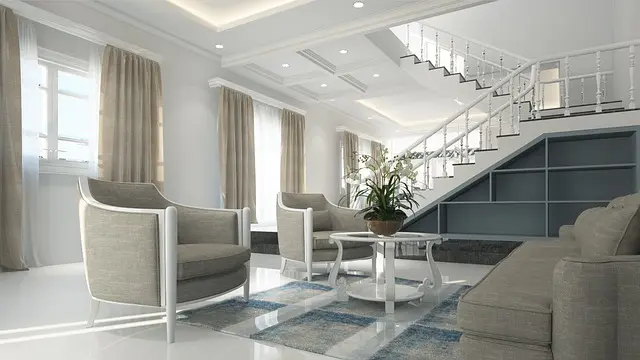
- Choose a Designated Area: Identify a specific area within your home that can safely accommodate pets, ideally away from high traffic areas. A corner of the living room or a cozy nook in the hallway could be ideal.
- Divide Spaces: Use pet gates or furniture to divide spaces for different activities, such as playing, sleeping, and eating. This division helps establish boundaries—pets appreciate having their own defined areas.
- Safety Features: Ensure the area is free of hazards. Secure loose wires and cords, as pets may chew on them. Remove any small items that could be swallowed.
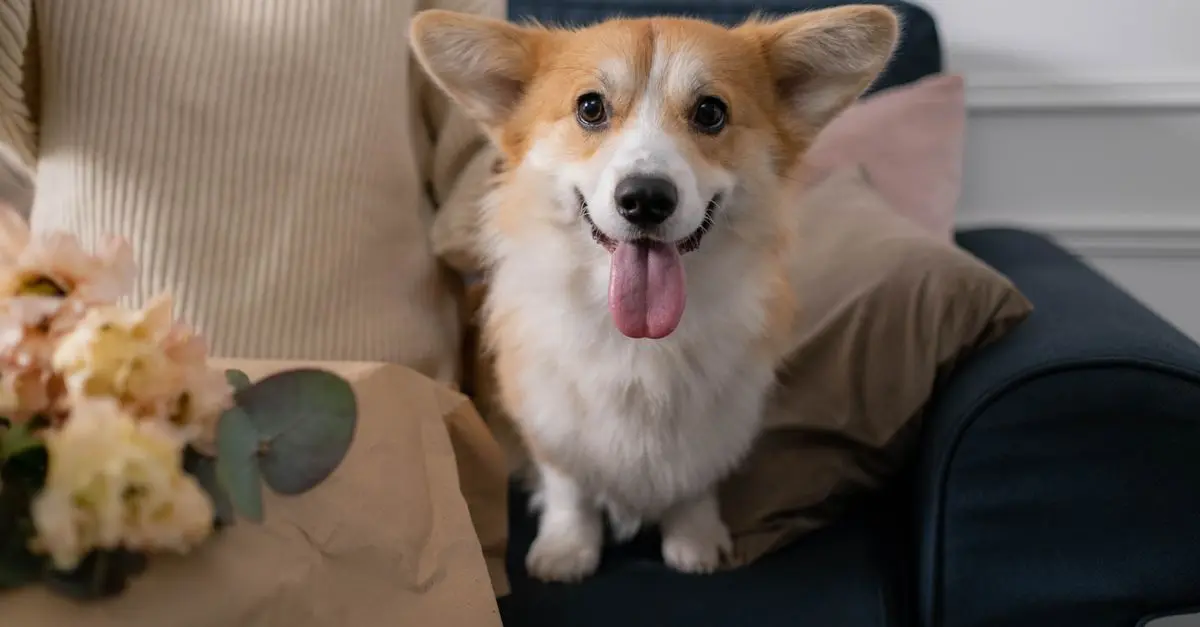
- Comfort Additions: Add pet beds, blankets, and toys to make the space inviting. According to studies, a comfortable environment can significantly reduce anxiety in pets.

3. Use Pet-Friendly Materials
Selecting materials that are safe and durable is key to creating a pet zone that withstands the playful antics of your furry friends.
Material Recommendations:
- Washable Fabrics: Choose fabrics that are easy to clean, particularly for furniture or pet beds, as spills and accidents can happen. Look for stain-resistant options that offer durability.
- Non-Toxic Supplies: Use non-toxic paint and varnishes. Pets may chew on furniture, and the last thing you want is to expose them to harmful chemicals.
- Flooring Choices: Consider using laminate or tile floors instead of carpets, as they are easier to clean and resistant to scratches. Additionally, area rugs can provide comfort while being easy to wash.
4. Incorporate Safety Features
A safe pet zone should include several safety features to protect pets from potential hazards within the home.
Important Safety Elements:
- Secure Windows and Balconies: Ensure that all windows and balconies are secure. Use screens to keep pets from jumping out, especially if you live in an apartment.
- Pet-Proofing: Invest in safety gates to prevent access to stairs or off-limits areas. Additionally, consider outlet covers to protect curious pets from electric shock.
- Temperature Control: Make sure the pet zone is well-ventilated and free from extreme temperatures. Pets can suffer from heatstroke or cold stress, so maintaining a comfortable environment is essential.
5. Monitor and Adjust Your Setup
Your pets' needs may change over time, so regular monitoring and adjustments of your pet zone setup are necessary.
Tips for Ongoing Maintenance:
- Regular Checks: Frequently assess the space for potential hazards. Look for wear and tear on furniture or beddings, as these may need replacing.
- Behavioral Observations: Notice how your pets use the space. Are they feeling secure? Are they using all designated areas? Adjust layouts based on their comfort and use patterns.
- Feedback from Experts: Consult pet behaviorists or veterinarians for additional insights on optimizing your pet zone.
Checklist Before Setting Up Your Safe Pet Zone
- [ ] Identify and understand the specific needs of your pets.
- [ ] Choose a designated area and plan for safety features.
- [ ] Select pet-friendly and durable materials.
- [ ] Incorporate secure zones and temperature control.
- [ ] Monitor and adjust based on your pets' experiences.
Glossary
| Term | Definition |
|---|---|
| Pet Zone | A designated space within the home specifically designed for the comfort and safety of pets. |
| Pet-Proofing | Measures taken to secure potentially hazardous areas or items to protect pets. |
| Non-Toxic Materials | Products that do not contain harmful substances, safe for animals and humans. |
📺 Resource Video
> 📺 For more pet safety tips: Watch a video titled “How to Create the Perfect Pet Zone in Your Home”, where experts share their insights on fostering a safe environment for your furry friends. Search on YouTube: how to create a pet zone at home 2026.
📺 Pour aller plus loin : how to create a pet zone at home 2026 sur YouTube
Recommended products
Selected by our experts
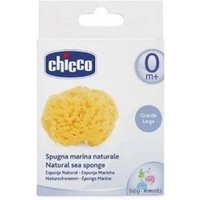
Chicco SPUGNA GRANDE IGIENE SAFE
DocMorris FR (ex DoctiPharma FR)
Perfect for keeping your pet comfortable, this pet-safe sponge can be used to clean and maintain bedding and other pet areas.
Safety 1St Protection Sécurité Doigts 1ut
DocMorris FR (ex DoctiPharma FR)
Safety gates are essential for creating secure boundaries in your pet zone, helping to keep your pets safe from hazardous areas.
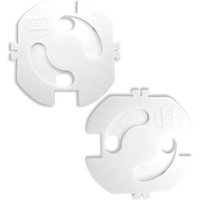
Couvercle Saro Prises de courant Safety 5 U
DocMorris FR (ex DoctiPharma FR)
Outlet covers are crucial for pet-proofing your home, ensuring that your curious pets stay safe from electric shock.