Table of Contents (9 sections)
Creating the best pet zone in your home is essential for enhancing your furry friend's well-being. This dedicated space caters to your pet's needs, providing comfort, safety, and enrichment. In this blog post, we'll explore practical steps to design a pet-friendly environment tailored to the unique needs of your pets, whether you have dogs, cats, or other animals.
1. Assess Your Space
Before diving into the design of the best pet zone, assess your available space. Each pet has different requirements; dogs usually need more room to roam and play, while cats might thrive in vertical spaces and cozy nooks. Considerations include:
- Room Size: Identify areas where you can create a designated pet zone while ensuring it doesn’t interfere with human activities.
- Flooring: Some pets might need soft, non-slippery surfaces, especially older or injured animals.
- Natural Light: Pets benefit from exposure to natural light, helping regulate their sleep-wake cycles.
After assessing the space, envision how your pet will interact with it, which allows for flexibility and creativity in your design.
2. Design Functional Areas
A well-designed pet zone consists of several functional areas, each serving a unique purpose. Here are the key areas to include:
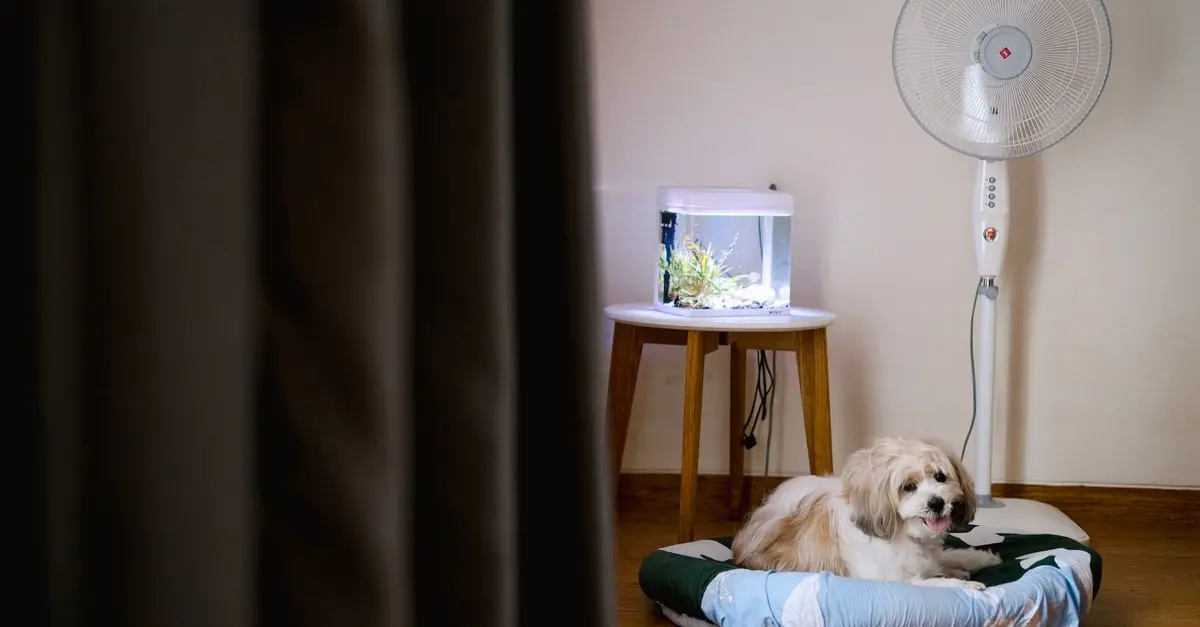
- Resting Area: A cozy bed or mat elevates your pet's comfort. Choose a spot away from drafts and noise, providing security and peace. Consider temperature control, especially if you live in extreme climates. Brands like K&H Pet Products offer various options that suit different pets and needs.
- Feeding Station: Designate a feeding area that is easy to access and maintain. Elevated bowls for dogs can alleviate strain on their joints. For cats, consider using feeding mats to catch spills and encourage tidiness. Regularly clean this area to avoid pest attraction.
- Play and Enrichment Area: Create an engaging space filled with toys, scratching posts, and climbing structures. Studies have shown that mentally stimulating environments can reduce anxiety and improve the behavior of pets. A variety of interactive toys can also keep pets entertained, particularly when you’re not home.
3. Incorporate Safety Features
Ensuring your pet's safety is paramount when designing their zone. Consider the following:
- Furniture Arrangement: Avoid sharp edges or easily toppled items, which can pose risks. Secure heavy furniture to prevent accidents.
- Materials: Choose pet-safe materials for flooring, furniture, and décor. Natural fibers, like cotton and wool, are less likely to harm pets than synthetic options. Furthermore, ensure that any decorative items are out of reach to prevent chewing or choking hazards.
- Electrical Safety: Protect cords and outlets. Consider using cord covers and ensuring that electric hazards are out of reach. According to ASPCA, a large percentage of pet injuries stem from electrical and chemical hazards, emphasizing the importance of creating a safe space for pets.
4. Include Personalized Elements
Every pet has its personality and preferences. Incorporate personalized elements into the pet zone:
- Signature Toys or Beds: Choose items that reflect your pet’s personality. For instance, a dog that loves to burrow might prefer a covered bed, while an energetic cat may enjoy an interactive play tower.
- Spot for Reflection: Designate a small area for quiet moments, such as a sunlit corner or a cozy blanket tucked away in a favorite spot. Research from the Journal of Veterinary Behavior suggests that having safe spaces allows pets to decompress.
This personalization shows that you understand and appreciate your pet’s unique traits.
5. Maintain and Update Regularly
Creating the best pet zone is not a one-time task. Regular maintenance ensures that the area remains clean and safe:
- Routine Cleaning: Regularly wash bedding, toys, and feeding areas to eliminate odors and bacteria. Many pet owners overlook this, not realizing that a clean environment contributes significantly to a pet's overall health.
- Assess Needs: Pets grow and change; what worked initially may need adjustments as they age or as you add more pets. Making changes to accommodate their needs will help keep the environment comfortable.
- Incorporate New Items: As pets tend to get bored, introducing new toys or rearranging the space can stimulate their interest and keep their environment exciting.
📺 For Further Exploration:
*[Creating a Pet-Friendly Home: Strategies and Best Practices], full analysis of the topic. Search YouTube for: How to create a pet zone at home.
Checklist for Your Pet Zone
- [ ] Assess available space for pet zones.
- [ ] Designate areas for resting, feeding, and play.
- [ ] Ensure safety features are in place.
- [ ] Personalize the zone with your pet's preferences.
- [ ] Maintain and update the area regularly.
Glossary
| Term | Definition |
|---|---|
| Pet Zone | A dedicated space in a home designed specifically for pets.'s |
| Enrichment | Activities or items that stimulate a pet’s mental and physical health. |
| Safe Space | An area where a pet can retreat to feel secure and relaxed. |
> 🧠 Quick Quiz: What is the most important feature of a pet zone?
> - A) Play area
> - B) Safety features
> - C) Decorative items
> Answer: B — Safety features are crucial for preventing accidents and protecting pets.
📺 Pour aller plus loin : how to create a pet zone at home sur YouTube