Table of Contents (10 sections)
Creating a perfect pet zone in your home goes beyond just throwing down a few toys and calling it a day. This area needs to cater to your pet’s needs, ensuring their comfort, safety, and happiness. Follow this comprehensive guide to transform a suitable space into a vibrant and functional pet sanctuary.
Step 1: Understanding Your Pet's Needs
Before you leap into the design process, spend some time observing your pet. What are their preferences? Are they a high-energy dog or a calm elderly cat? Understanding their habits will significantly influence your zone design. According to studies by the American Kennel Club, many pets spend about 70% of their time resting. Therefore, creating a cozy area where they can relax is essential.
Additionally, consider their feeding needs, play styles, and any behavioral issues they may have. For instance, if your dog loves to chew, you’ll want to integrate chew-proof materials. Cats often require vertical spaces to climb and perch. Based on these observations, list the critical elements your pet zone must include.
Step 2: Choosing the Right Location
Next, select an ideal location for your pet zone. It should be a quiet, low-traffic area of your home where your pet can feel secure. For dogs, an accessible and close-to-the-exit area is ideal for potty breaks. Cats might prefer a sunlit room where they can monitor their surroundings. Avoid areas with extreme temperatures or high noise levels that might stress your pets.
Consider factors such as natural lighting and air flow. A well-ventilated area can prevent odors and keep your pets comfortable. Additionally, the location should be easily cleanable to manage accidents or spills. For instance, placing your pet zone in a tiled area makes cleanup easier compared to carpets.
Step 3: Flooring Considerations
The flooring in your pet zone can make a significant difference. Pets can be rough on surfaces, so it’s vital to choose materials that are durable and easy to maintain. Vinyl flooring or laminate are popular options since they are scratch-resistant and can withstand frequent cleaning.
Avoid carpet if possible, as it retains odors and stains. If your pets have been known to have accidents in the house, opting for micro-fiber rugs or mats can protect your floors, as they are easier to clean and maintain. According to the Pet Product Manufacturer Association, a significant percentage of pet owners prioritize easy-to-clean spaces for their furry friends.
Step 4: Zoning Elements and Layout
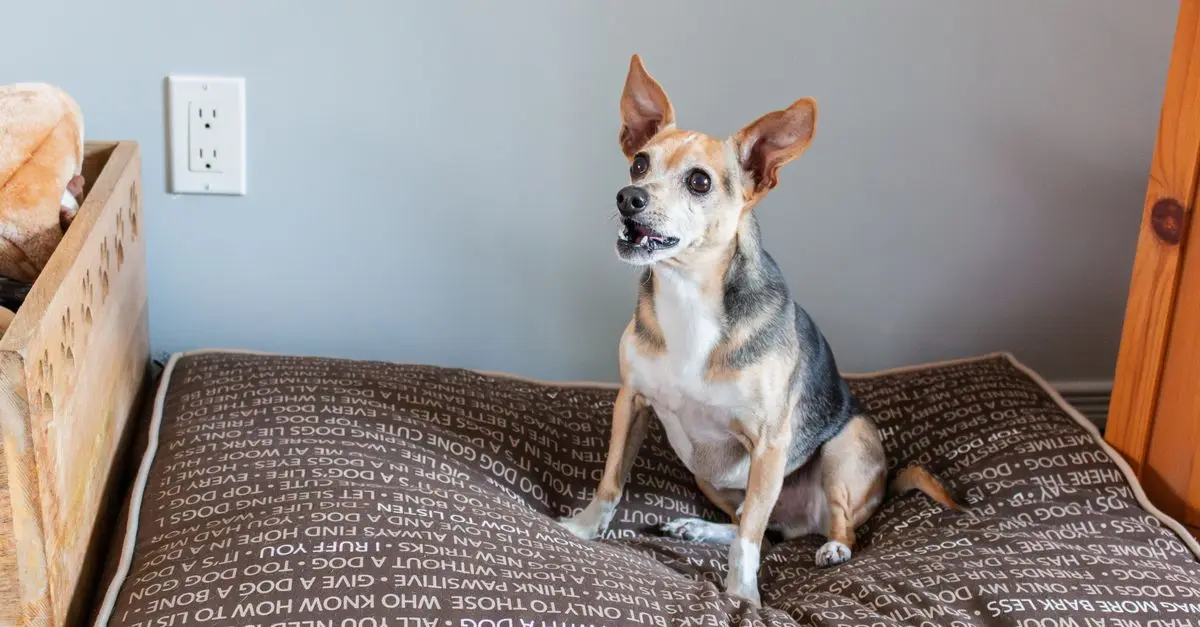
Once you've established the right location and flooring, it's time to organize the space. Think about separating areas for sleeping, eating, and playing. You can use furniture or rugs to define different zones. For example, a cozy bed can mark the sleeping area, while a mat with food and water bowls can create a dining spot.
Ensure that all items are accessible to your pet. Additionally, including cat trees or shelves can provide climbing options for your feline friends. Remember to keep play areas clutter-free and safe, removing any items that could pose a choking hazard.
Step 5: Additional Features for Comfort and Safety
Adding features to your pet zone can also enhance the environment. For instance, installing a pet gate can keep pets contained in their area, while providing them with a view of the household activities. Ensure that all cords are out of reach, and consider using non-toxic plants to avoid accidental poisoning.
Pet-friendly furniture is another consideration. Investing in durable, stain-resistant sofas or chairs can save you the hassle of cleaning and replacing furniture over time. Remember, safety comes first. According to the ASPCA, ensuring that spaces are escape-proof and free from toxic substances is crucial for your pets’ safety.
Step 6: Personalizing the Space
A perfect pet zone is also personalized to reflect your pet’s personality. Consider adding a few toys and decorations that reflect their favorite activities. You might include scratching posts for cats or a cozy crate for your dog. This personalization will make the area feel like home, boosting your pet's mental well-being.
Checklist Before You Begin
- [ ] Observe your pet’s habits and preferences.
- [ ] Select a quiet and safe location for your pet zone.
- [ ] Choose durable and easy-to-clean flooring.
- [ ] Define areas for sleeping, eating, and play.
- [ ] Add safety features to prevent accidents.
- [ ] Include personal touches to make the space feel cozy.
Glossaire
| Terme | Définition |
|---|---|
| Pet Zone | An area in your home specifically designed for pets, catering to their needs and comfort. |
| Chew-proof | Materials that are resistant to damage caused by chewing pets. |
| Pet-friendly furniture | Furniture designed to withstand the wear and tear of pet activities, often made from durable and stain-resistant materials. |
🧠 Quiz rapide : What is the most important factor when designing a pet zone?
- A) Cost
- B) Size
- C) Safety
Réponse : C — Safety should always be the top priority in designing a pet zone.
📺 Pour aller plus loin: Explore various ideas for creating the perfect pet-friendly space. Search YouTube: "pet zone design ideas 2026".
📺 Pour aller plus loin : pet zone design ideas 2026 sur YouTube
Recommended products
Selected by our experts

Mr. Coffee - Perfect Brew, Intelligent Coffee Maker, Cold Brew Maker & Tea Brewer - Stainless Steel
bestbuy.com

Living Proof Perfect Hair Day Conditioner by Living Proof, 8oz Conditioner multi
shop.simon.com

Perfect Hair Day Conditioner by Living proof for Unisex - 8 oz Conditioner One Size unisex
shop.simon.com

Neutrals / Brown Alibi - The Perfect Cover Fluid Foundation - Lily Delilah
wolfandbadger.com
Plus Size Women's PerfectEase Wide Leg Pant by Jessica London in Black (Size L)
roamans.com
Modern Mode Marketplace Solar Wind Chimes Outdoor Waterproof, LED Color Changing Butterfly, Dragonfly, Hummingbird Lights, Perfect For Garden
inspireuplift.com