Table of Contents (10 sections)
Creating the best pet zone for your furry friends is essential to ensure their happiness and health. A designated pet zone can improve their well-being by providing a comfortable, engaging, and safe environment. In this guide, we'll explore the steps to designing a perfect area tailored for your pets, taking into account their needs and preferences. Let’s dive into the world of pet zone creation!
1. Understanding Your Pet's Needs
Before you start designing your pet zone, it’s critical to understand the specific needs of your furry friends. Different animals have diverse requirements based on their species, breed, and individual personalities. For instance, dogs may require ample space to move around and play, while cats often benefit from vertical spaces and cozy hiding spots. According to a survey by the American Society for the Prevention of Cruelty to Animals (ASPCA), approximately 70% of pet owners believe that a properly designed space enhances their pet's happiness.
Observe your pets’ behavior closely. Do they prefer lounging in sunny spots? Do they enjoy playing with certain types of toys? Additionally, consider any special requirements such as dietary restrictions or mobility challenges that might necessitate accessibility features like ramps. Understanding these factors will guide you in creating a tailored environment that nurtures your pet’s physical and emotional health.
2. Choosing the Right Location
The next step is selecting the right location for your pet zone. Ideally, this area should be spacious enough to accommodate your pet’s needs and comfortable for you to interact with them. Whether it’s a designated room, a corner of your living room, or even a section of your backyard, ensure it is away from high-traffic areas to minimize noise and accidents.
For indoor pet zones, ensure good ventilation and lighting. Natural light can significantly enhance the mood of both pets and owners alike. If you have outdoor spaces, take advantage of them by providing a secure area where your pets can play freely. Make sure the boundary is secure to prevent any escapes. According to PetSafe, 65% of pet owners feel that an outdoor pet zone improves their pet's quality of life, contributing to increased exercise and socialization.
3. Designing the Space
Now it’s time to design your pet zone with elements that cater to your furry friends’ preferences. Start with a comfortable flat surface, like a pet bed or blanket, where they can relax. Dr. Redditch, a renowned veterinarian, suggests that each pet should have a personal space that is theirs alone, promoting a sense of security.
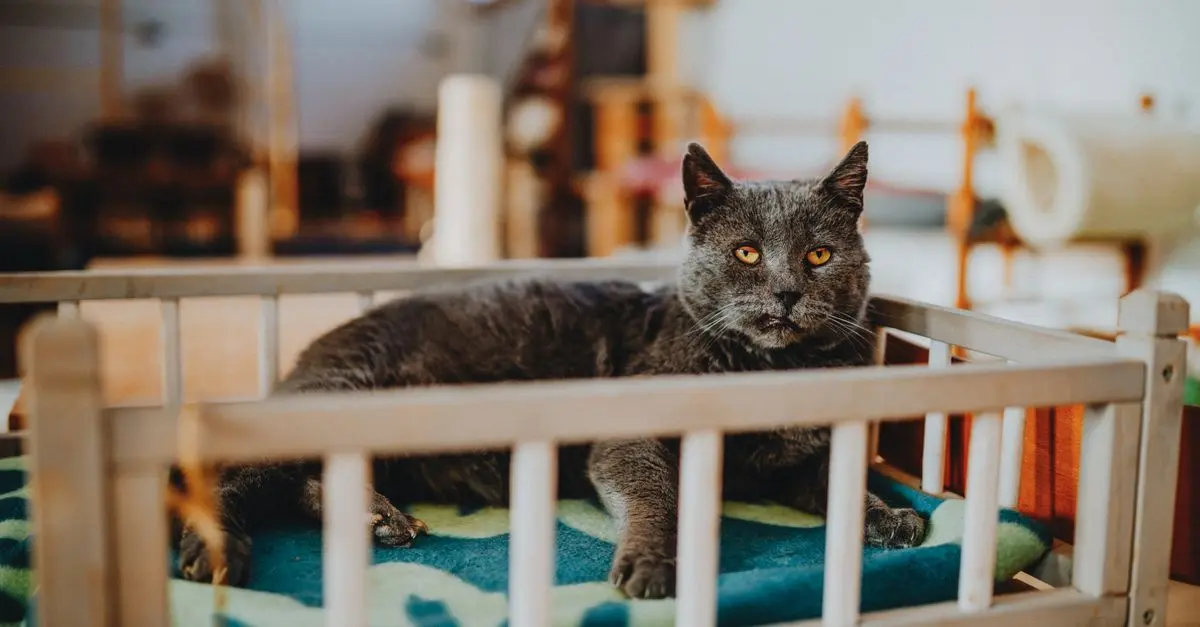
Consider adding climbing structures for cats, such as shelves or cat trees, to encourage exercise and play. For dogs, include chew toys and play equipment to keep them active. Creating separate sections for food, water, and litter can also help maintain cleanliness and organization in the zone. Safety should be a top priority. Remove any hazardous items such as electrical cords or toxic plants to ensure that your pet can explore without risk.
4. Incorporating Interactive Elements
Interaction is vital for mental stimulation, so include engaging elements in your pet zone. Puzzle toys that dispense treats can provide endless entertainment for pets, encouraging them to think and work for their rewards. According to a study published in the Journal of Veterinary Behavior, interactive play fosters not only physical health but also cognitive development in pets.
Consider incorporating activities like pet-friendly obstacle courses or agility equipment for dogs, and for cats, introduce scratching posts or feather teasers. Rotating toys regularly can keep your furry friends interested and excited about their space. A well-designed pet zone is one that challenges your pets while allowing them to feel safe and comfortable.
5. Maintenance and Hygiene
Once your pet zone is established, maintaining hygiene is crucial for your pet’s health. Regular cleaning will help prevent the buildup of dirt, bacteria, and allergens. It’s advisable to use pet-safe cleaning products to avoid harmful chemicals that could affect your furry pals negatively. The Humane Society recommends a cleaning schedule that includes daily tidying of feeding areas and weekly deep cleaning of bedding and toys.
Additionally, when choosing materials for your pet zone, opt for those that are easy to clean and durable. For example, washable pet beds and removable cushion covers can significantly reduce your cleaning burden. Setting up a designated area for storing toys and supplies can also streamline the cleaning process, making it more efficient.
📺 For further exploration:
Explore how to enhance your pet zone in our detailed video on YouTube. Search for: "creating the best pet zone for pets".
Checklist before creating your pet zone
- [ ] Assess your pet's needs and preferences
- [ ] Choose the right location for your pet zone
- [ ] Design the space with comfort in mind
- [ ] Incorporate interactive elements for mental stimulation
- [ ] Establish a maintenance routine for hygiene
- Q: How can I make my pet zone more engaging?
A: Include interactive toys and structures to encourage play and exercise. Rotate toys regularly for continued interest.
- Q: What safety measures should I take in my pet zone?
A: Remove hazardous items, secure cords, and ensure there are no toxic plants or materials.
- Q: How often should I clean the pet zone?
A: Clean daily and conduct deep cleaning weekly to ensure a healthy environment.
- Q: Can I create an outdoor pet zone?
A: Yes, outdoor zones can greatly enhance a pet's quality of life, but ensure they are secure and safe.
Glossaire
| Terme | Définition |
|---|---|
| Pet Zone | A designated area for pets that meets their living and play needs. |
| Interactive Toys | Toys that engage pets mentally and physically, encouraging play. |
| Agility Equipment | Structures designed to enhance a pet's physical fitness through challenges. |
---
📺 Pour aller plus loin : creating the best pet zone for pets sur YouTube