Table of Contents (11 sections)
A well-designed pet zone in your home not only provides comfort for your furry friends but also enhances your living space. In this guide, we’ll walk you through the essential steps to create the perfect pet zone design, ensuring it fits both your and your pet's needs.
Why a Dedicated Pet Zone Matters
Creating a dedicated pet zone in your home is critical for various reasons. Firstly, animals thrive in their own spaces. According to data from The American Kennel Club, pets that have a designated area feel more secure and less stressed. This is particularly important in multi-pet households, where each animal can establish its own territory. Moreover, a well-defined pet zone can help prevent damage to your furniture and decor, as pets often gravitate towards their favorite areas. Designating a space also helps in terms of cleanliness, as you can manage shedding, litter, and messes more effectively when you contain them in specific zones.
Step 1: Assess Your Space and Needs
Before you start designing your pet zone, take a close look at your living space and evaluate your specific needs. Measure the area where you plan to create the pet zone—it could be a corner of your living room, a part of your backyard, or even a separate room dedicated to your pets. Consider the types of pets you have and their unique needs. For example, a large dog will require more room compared to a small cat. Think about what activities your pets enjoy. For dogs, a space to play with toys and lounge is essential, while cats may prefer vertical spaces like scratching posts or perches. Make a list of these needs as it will guide your design choices.
Step 2: Choose the Right Location
Once you have assessed your space, the next step is to choose the best location for your pet zone. Ideally, this should be a quiet area where your pets can retreat for rest and play without too much disturbance. Near windows can be a great spot for natural light. If you have active pets, consider an area with easy access to outdoor space for letting them in and out. Avoid high traffic areas or spots near noisy appliances that could stress your pets. Also, think about how this space integrates with the rest of your home style—enriching your environment can enrich your pet’s experience too.
Step 3: Select Durable, Safe Materials
Choosing the right materials is vital for your pet zone. Opt for durable furnishings that can withstand wear and tear. For flooring, materials like tile, laminate, or vinyl are easier to clean and less susceptible to damage from accidents. Most pet owners recommend avoiding carpet due to difficulties in cleaning stains and odors. Additionally, ensure that all materials used are non-toxic, especially if your pets have a tendency to chew or scratch. Brands like Frisco and PetFusion offer a range of pet-safe products suitable for pet zones. Prioritize comfort as well, selecting dog beds or cat trees made from memory foam or other supportive materials.
Step 4: Incorporate Essential Features
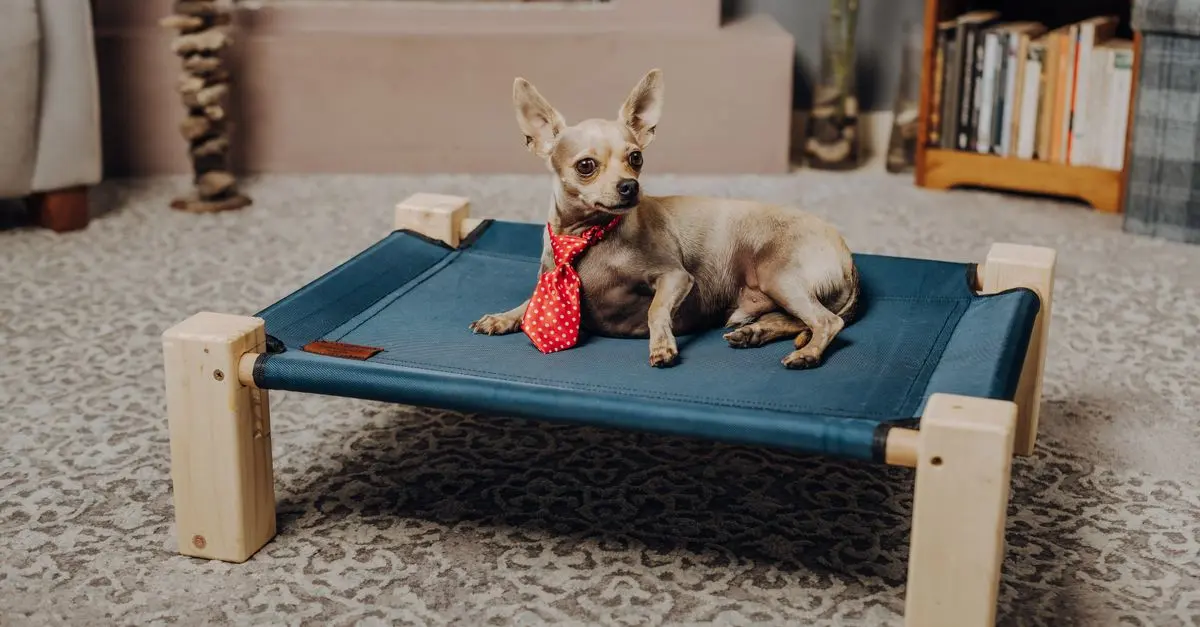
Feature-wise, your pet zone should include necessities as well as enrichment options. For dogs, consider integrating a feeding area that has mats to catch spills. For cats, provide scratching posts or engaging toys that stimulate their natural instincts. Ensure that there are cozy resting spots with beds or blankets where they can unwind. Additionally, think about providing vertical space with shelves for climbing cats or sturdy ramps for older pets. The American Society for the Prevention of Cruelty to Animals (ASPCA) emphasizes that offering a variety of activities helps maintain your pet’s mental well-being.
Step 5: Personalize the Space
A personalized pet zone adds charm and can make your pets feel more at home. Add decorations that reflect your personality while keeping safety in mind. Use pet-safe plants to enhance the aesthetics (like spider plants or Boston ferns), and display photographs of your pets. Creating a designated area that is comfortable for you and your pets helps reinforce a sense of ownership over the space. You might also consider an integrated feeding area that matches your decor—there are stylish bowls available that can add flair to the room.
Step 6: Regular Maintenance and Upgrades
Once your pet zone is established, maintaining it is crucial to ensure it remains inviting and clean. Regularly wash bedding and toys to keep everything fresh and hygienic. Assessing the space every few months will help you spot wear or areas that need upgrades. Rotating toys and features can keep your pets engaged, preventing boredom. As your pets grow older or if you add to your family with new pets, adapting the zone may also be necessary. This is a dynamic space that should evolve with you and your pets.
Checklist for Creating Your Perfect Pet Zone
- [ ] Assess the space and your pet's needs
- [ ] Select the ideal location for your pet zone
- [ ] Choose durable and safe materials
- [ ] Incorporate essential features for comfort and play
- [ ] Personalize the space with decorations and comforts
- [ ] Plan for regular maintenance and upgrades
Glossary
| Term | Definition |
|---|---|
| Pet Zone | A designated space in the home specifically designed for pets' comfort and play. |
| Durable Materials | Materials that can withstand wear and tear without significant damage. |
| Pet-Safe Plants | Plants that are non-toxic and safe for pets to be around or consume. |
📺 Resource Video
> 📺 For deeper insights: Creating the Perfect Pet Zone in Your Home, a comprehensive guide on designing living spaces for pets. Search on YouTube: how to create a pet zone at home.
🧠 Quick Quiz: What is the most important factor for a pet zone design?
- A) Size of the area
- B) Pet's preferences
- C) Color scheme
Answer: B — Pets feel most secure in spaces that cater to their comfort and activities.
With these steps, your dedicated pet zone will not only enhance your pets’ quality of life, but also preserve your home’s integrity and aesthetics. Don’t hesitate to start planning today and make it a space both you and your pets will love!
📺 Pour aller plus loin : Easiest diy for my dog's dirty business sur YouTube