Table of Contents (10 sections)
Creating the best pet zone at home is essential for the well-being of your furry friends. This guide will walk you through each step to design an environment where your pets can thrive. From choosing the right location to selecting the right accessories, we’ll cover everything you need to know.
1. Identifying the Best Location for Your Pet Zone
When starting to build the best pet zone, the first step is identifying the ideal location within your home. Pets need a safe space that is convenient for both them and you. Choosing a location away from high-traffic areas is vital. Did you know that pets thrive in quiet environments?
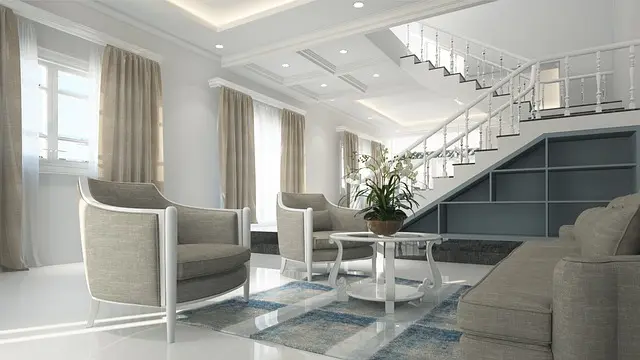
Opting for corners or less frequented spaces can help them feel more secure. Make sure the area has enough natural light and ventilation, enhancing the overall environment. For example, a spot near a window not only provides light but also allows pets to enjoy observing the outside world, which can keep them mentally stimulated.
Additionally, consider the flooring. Soft surfaces such as carpet or rugs can be great for dogs, whereas cats might prefer elevated surfaces to perch on. Ultimately, ensure the space is easily accessible for all pets and prefers areas where they can also spend time with their owners. Remember to think about cleaning as well; choosing a space with easy-to-clean surfaces can save you time in the long run.
2. Designing the Space: Furniture and Features
Once you've settled on the location, it's time to design your pet zone. Incorporate furniture that complements your pet's needs. For dogs, include a comfortable bed or mat for lounging. For photography lovers, capturing those candid moments will be easy with thoughtfully positioned furniture.
Including shelves or cat trees can give your cats multiple lounging spots and keep them stimulated. Ensure that any furniture is sturdy, as playful pets may cause them to topple.
Additionally, don’t forget the accessories! Design elements like decorative storage bins can help contain toys while looking neat. Consider pet-friendly materials or washable fabrics to maintain a clean aesthetic. Our recommendations below include furniture options that blend style with functionality, ensuring your pet zone is both nice to look at and comfortable for your pets.
3. Creating Comfort: Accessories and Supplies
The best pet zone is a cozy one. Start with bedding that suits your pet's size and sleep style. For cats, consider soft blankets; for dogs, check for orthopedic options that lend support to their joints.
Temperature regulation is crucial too. Make sure your pet zone has a way for cooling or warming periods, such as fans or heating pads. Additionally, consider integrating toys that stimulate interaction between you and your pet. By engaging regularly with your pets through playtime, you build a solid bond that contributes to their emotional well-being.
Along with the essentials like food and water bowls, consider food dispensers that allow you to measure their intake. Having these implemented in the pet zone can transform feeding time into a fun and structured routine. To make the setup complete, don't forget about hygiene; having a readily available cleaning kit will help you maintain the freshness of the pet zone.
4. Safety First: Pet-Proofing Your Space
Creating a pet zone is more than just decoration; safety is imperative. Pet-proof your environment by removing potential hazards. Check for loose wires, harmful plants, and small items that could be swallowed. According to the ASPCA, many common household plants are toxic to pets.
Additionally, ensure that any pet gates or barriers are securely installed if you have multiple pets. This can prevent unwanted conflicts or accidents. Surveillance cameras can be helpful for those who want to ensure their pets are safe, especially when they're not at home. Educating yourself about your pets' behaviors will help tailor your pet zone to ensure they feel at home and secure.
5. Routine Maintenance and Comfort Checks
Once your pet zone is set up, it’s important to establish a routine for maintenance and comfort checks. Regularly cleaning their space ensures a hygienic environment. Check for any signs of wear in their beds or toys and replace them when necessary. According to the American Veterinary Medical Association, pets tend to feel more comfortable in clean spaces.
Encourage regular inspection of food and water bowls, ensuring fresh supplies. You might also want to create a checklist for this to stay organized. Periodic evaluations of the layout can help modify the space according to your pet's growing needs or changing behaviors.
Checklist for the Best Pet Zone
- [ ] Check the location for traffic and lighting.
- [ ] Select appropriate furniture and features.
- [ ] Ensure cooling or warming options are in place.
- [ ] Pet-proof the environment thoroughly.
- [ ] Create a maintenance schedule for cleaning and checking supplies.
📺 For further insights:
To learn more about creating the best pet zone, check for relevant videos on YouTube such as: "how to build a pet-friendly space in your home."
Glossary
| Term | Definition |
|---|---|
| Pet Zone | An area designed specifically for the comfort of pets. |
| Pet-Proofing | The measures taken to eliminate potential hazards for pets. |
| Hygiene | The practice of maintaining cleanliness in pet environments. |


🧠 Quick Quiz : What’s an essential item for pet comfort?
- A) Food bowls
- B) Pet-proofing supplies
- C) Sturdy furniture
Answer: A — Food bowls are fundamental for pet hydration and nutrition.
📺 Pour aller plus loin : how to create a pet-friendly area at home 2026 sur YouTube
Recommended products
Selected by our experts
Kit découverte soins best-sellers - PAI
Blissim FR
This popular care kit includes essentials to keep your pets clean and healthy.
Kit best of beauté - Blissim
Blissim FR
A collection of beauty essentials that can be beneficial for your pet grooming.