Table of Contents (14 sections)
Creating a safe pet zone is vital for pet owners who want to ensure their furry friends can enjoy their space without risks. This article delves into the top features that should be included in any pet-friendly area, ensuring your pets are both happy and secure.
1. Secure Fencing for Safety
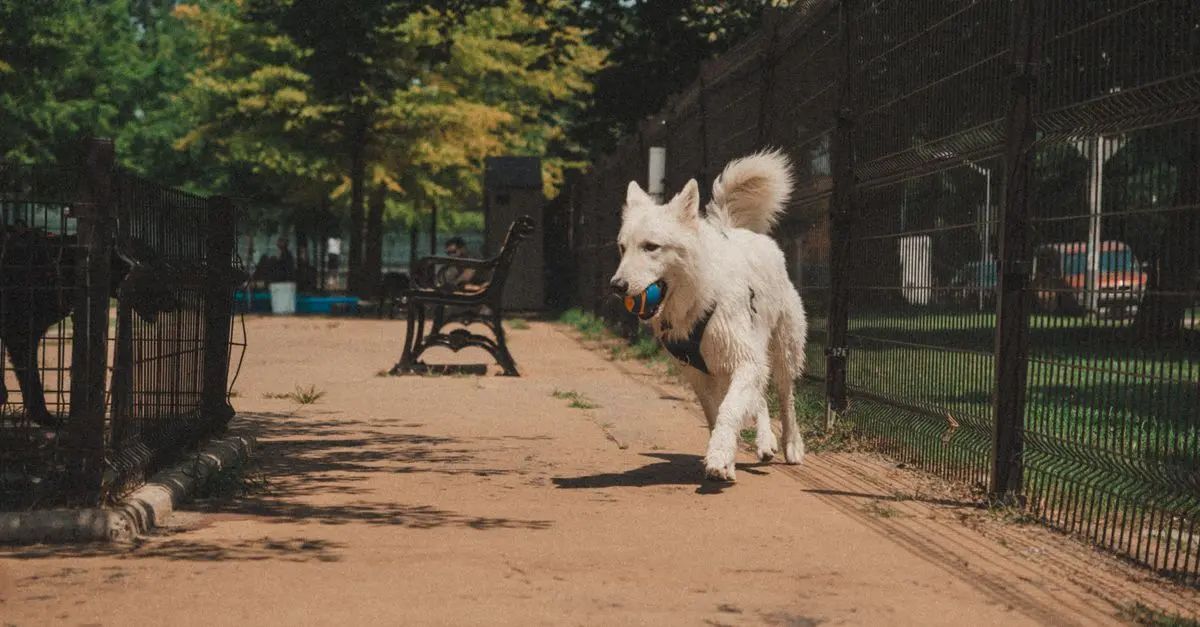
Secure fencing is the foundation of any safe pet zone. Choosing the right height and material is essential; for example, a minimum of 6 feet is recommended to prevent escapes for larger breeds. Statistics show that nearly 60% of lost pets escape due to insufficient boundaries. Solid fences not only hinder escape attempts but also keep unwanted wildlife from entering the space.
2. Non-Toxic Landscaping
Landscaping choices significantly impact your pet's safety. Using non-toxic plants and materials ensures that your pet won't be harmed by ingesting something harmful. For instance, certain common plants such as petunias or marigolds are safe, while others like azaleas or oleander are toxic. Additionally, ensuring the area is clear of chemicals like fertilizers and pesticides will further protect your pet from harmful ingestion.
3. Comfortable Shade Options
Pets require protection from harsh sunlight, especially during summer months. Providing ample shade options encourages pets to spend time outdoors while remaining cool and comfortable. Structures like awnings, trees, or even pet-friendly tents can create a pleasant retreat. Consider a shaded area that is easily accessible so pets can lounge comfortably away from direct sun exposure.
4. Clean Drinking Water
Keeping a steady supply of fresh, clean water is crucial in any pet zone. Pets can quickly become dehydrated, especially during hot weather. Incorporating elements like self-filling water bowls or pet fountains can encourage pets to drink more regularly. It's essential to check their water supply daily to ensure hydration is never an issue.
5. Play Areas with Soft Surfaces
A proper play area helps prevent injuries during playtime. Incorporating soft surfaces, such as grass, rubber mulch, or specialized pet flooring, can cushion falls and promote safe play. According to the American Kennel Club, many injuries in pets occur from slips on hard surfaces. Soft surfaces allow for a more forgiving environment for active pets.
6. Designated Potty Zones
Having a designated potty area helps in training and maintenance of cleanliness in your pet zone. This can be as simple as a gravel patch or a spot with natural grass. For convenience, ensure this area is easily accessible, especially for younger or older pets that might need frequent potty breaks.
7. Secure Storage for Pet Supplies
A safe pet zone should include storage that's out of reach from pets. Proper storage for food, toys, and cleaning supplies ensures that pets cannot access potentially harmful items. Consider using tall cabinets or bins with secure locks that prevent pets from climbing or chewing their way to their favorite treats and toys.
8. Shelter from the Elements
Whether rain, snow, or wind, pets should have a safe place to retreat. A sturdy dog house or covered patio can act as a perfect shelter. Make sure it’s well-insulated and elevated from the ground to keep pets dry and comfortable during inclement weather. Pets thrive in environments where they can choose to escape the elements whenever they need.
9. Interactive Features
Incorporating features like agility equipment or tunnels can stimulate your pets mentally and physically. Keeping your pets challenged can reduce destructive behaviors triggered by boredom. Studies have shown that pets with interactive play structures are less likely to develop behavioral issues, making an interactive zone a key aspect of a safe pet area.
10. Surveillance Monitoring
Installing a surveillance system allows pet owners to monitor their pets when they are not nearby. Cameras can help observe pet behavior and ensure their safety while giving owners peace of mind. Many modern systems provide mobile access, alerting owners of any unusual activity. According to recent surveys, pet owners who monitored their pets reported feeling more secure in their absence.
Checklist before creating your safe pet zone:
- [ ] Ensure fencing is secure and tall enough.
- [ ] Use non-toxic plants and avoid harmful chemicals.
- [ ] Provide adequate shade and comfort.
- [ ] Keep plenty of clean drinking water available.
- [ ] Choose soft surfaces for play areas.
- [ ] Designate a specific potty area.
- [ ] Securely store pet supplies and food.
- [ ] Create sheltered spots to protect from weather.
- [ ] Include interactive elements for mental stimulation.
- [ ] Set up surveillance for peace of mind.
Glossaire
| Terme | Définition |
|---|---|
| Zone pour animaux | Un espace conçu pour le confort, la sécurité et le divertissement des animaux de compagnie. |
| Aménagement paysager non toxique | Choix de plantes et d'éléments naturels qui ne représentent aucun danger pour les animaux de compagnie. |
| Structure de surveillance | Système qui permet de surveiller les animaux de compagnie à distance pour assurer leur sécurité. |
> 💡 Avis d'expert : Une étude de l’American Society for the Prevention of Cruelty to Animals indique que près de 24% des propriétaires de chiens perdent un animal de compagnie à un moment donné, soulignant l'importance d'une zone pour animaux bien sécurisée.
🧠 Quiz rapide : Which feature is essential for preventing pets from escaping?
- A) Non-toxic plants
- B) Secure fencing
- C) Interactive features
Réponse : B — Secure fencing is crucial for keeping pets safely contained.
📺 Pour aller plus loin :* How to create a safe space for pets*, une analyse complète de la création d'espaces pour animaux de compagnie. Recherchez sur YouTube : "how to create a safe pet zone 2026".
📺 Pour aller plus loin : how to create a safe pet zone 2026 sur YouTube
Recommended products
Selected by our experts


Safety 1st Mercury Strollerette Compact Stroller - Mercury - Size: One Size
kohls.com